Market intelligence for verified transport trust.
SafetyRide studies transport trust, passenger confidence, local regulation and market structure across countries.
The problem is global. Deployment must be local.
Our Insights are built to show where verified ride requests, safe trip context and structured trip evidence can create value with the right operators, hospitality partners, destination partners, market-entry partners and strategic capital partners.

Australia’s transport trust gap goes beyond QR codes and app records
Australia illustrates why mature taxi and rideshare markets need stronger proof of the real-world transport event, not only apps, QR codes and complaint channels

Brazil’s airport transport channels need clearer passenger recognition
Brazil has serious airport taxi and app-based transport channels, but travel advisories and airport guidance show how visitors need clearer proof that a ride belongs to the official or intended process.

Canada’s official airport transport still has a visibility problem
Canada has licensed airport taxis, app pickup zones and strong local rules, yet Pearson scoopers, Montréal illegal taxi warnings and Quebec enforcement signals show how serious operators need clearer handoff verification.

Chile’s ride-hailing rules turn registration into accountability
Chile’s Ley Uber creates a formal path for transport apps, registered companies, drivers and vehicles. SafetyRide’s angle is that serious operators need a visible evidence layer as regulation becomes real at the passenger handoff.

Colombia’s authorised transport challenge is recognition at the curb
Colombia already has authorised airport taxi services, public taxi verification tools and formal transport rules, but travellers still need clearer proof that the vehicle, driver, pickup point and trip record belong to the intended process.

Croatia’s taxi reforms put operator recognition at the centre
Croatia is tightening taxi rules after fare scandals and seasonal pressure, creating a strong case for verified pickup, visible operator identity and protection for serious licensed drivers.

Denmark’s taxi trust model is already local, controlled and data-ready
Denmark has a tightly structured taxi market built around permits, dispatch offices, price visibility and airport taxi management. The remaining opportunity is to make the passenger handoff simpler to verify in real time.

Dubai’s world-class taxi system still depends on the handoff
Dubai has one of the most structured airport taxi systems in the world, yet RTA warnings against unlicensed rides show how serious operators need evidence that is visible at the pickup point.

Egypt’s tourist transport gap is still a physical handoff
Egypt illustrates why visitor transport trust cannot rely only on taxis, apps or travel advice. The airport, tourist site, driver, vehicle and trip context still need to be verifiable

Finland’s taxi reform is about restoring verifiable trust
After deregulation, price variation, platform entry and new reform proposals, Finland illustrates why serious taxi markets need accountability at the vehicle, not only rules on paper.

France’s regulated taxi market still needs pickup clarity
France has detailed taxi and VTC rules, fixed airport taxi fares, and a national taxi availability register. The remaining trust gap is proving the real vehicle, driver and pickup at the moment a traveller accepts a ride.

Germany’s taxi rules still need a visible ride record
Germany’s taxi and hire-car rules are detailed, but the physical ride still needs clearer verification.
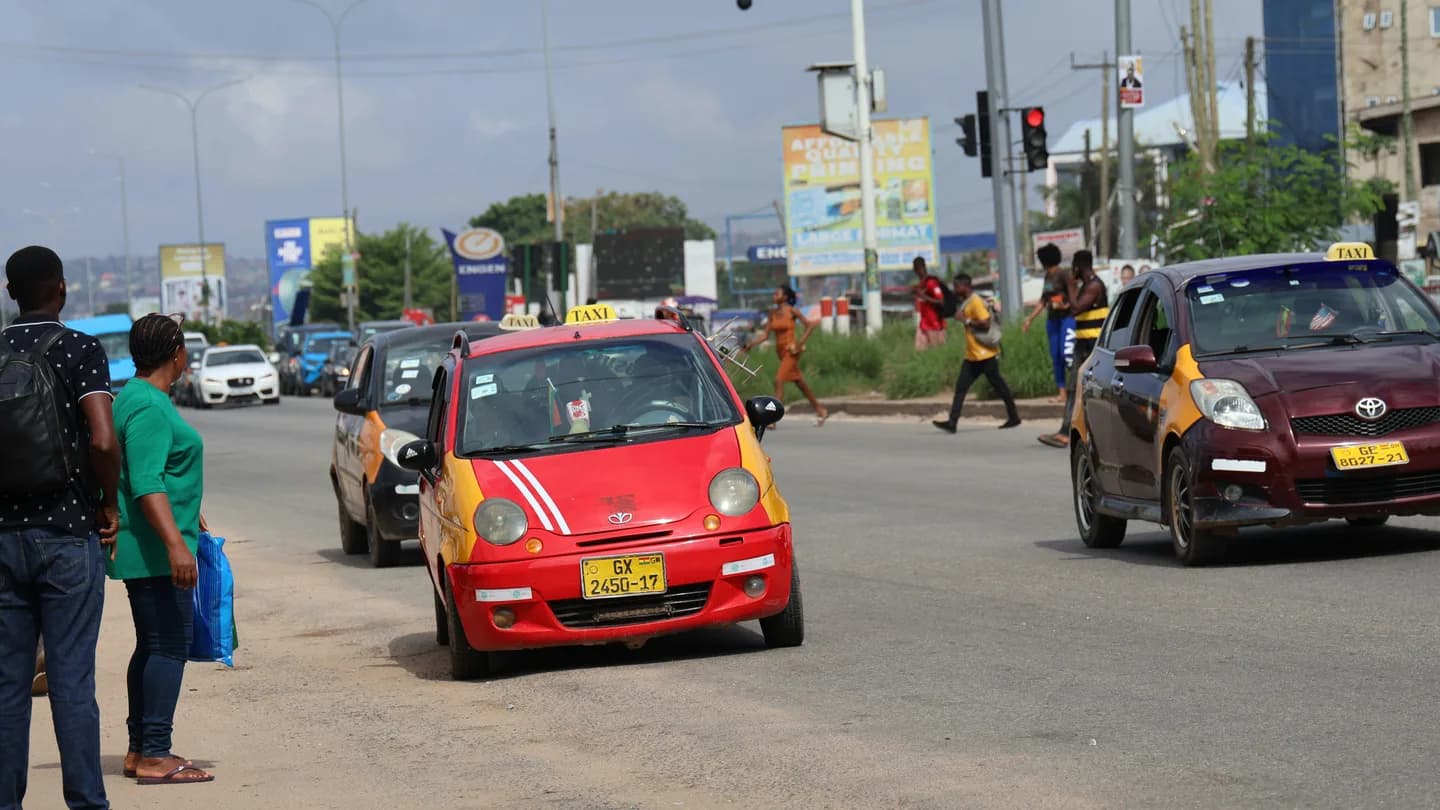
Ghana’s ride-hailing debate is about who records the ride
Airport taxis, app-based drivers, tax reporting and commission pressure all point to the same missing layer: verified trip evidence.

Greece’s licensed taxis need clarity at the curb
Athens has licensed taxis, fixed airport fares and app channels tied to local drivers, yet tourism pressure, payment friction and overcharging cases show how serious operators need stronger proof in the moment of choice.

Iceland’s taxi reform puts serious operators in the spotlight
Iceland’s taxi market is being tightened after complaints, airport checks and calls for better oversight. The lesson for SafetyRide is that serious operators need to be easier to verify at the pickup moment.

India’s many official ride channels need one clear passenger record
India’s taxis, prepaid counters, app-based cabs and airport pickup zones are becoming more regulated, but the handoff remains fragmented across cities, operators and state rules.

Italy’s taxi and NCC market needs a clearer trust record
Italy’s tourism scale, licensed taxi rules, NCC conflict, visitor warnings and repeated transport disputes show how regulation is not the same as proof of the physical ride

Japan’s high-trust taxi system still depends on the handoff
Japan has professional taxis, airport fixed fares and regulated app dispatch, yet driver shortages, app-channel competition and new pickup layouts show how even trusted markets need clearer proof at the curb.

Kenya’s ride-hailing price war puts safe rates on the table
Kenya shows that ride-hailing accountability is not only about apps and regulation. It is also about algorithms, low fares, commissions, driver survival and proof of the physical ride

Mexico’s airport mobility conflict is about verified choice
Mexico already separates authorised airport taxis from street risk, but travellers still need clearer proof at the airport and hotel handoff.

Morocco’s taxi reform puts accountability before scale
Morocco is rethinking taxis and ride-hailing, but the real challenge is proving the handoff, not choosing sides.

At Schiphol, official taxi rules meet the pickup moment
The Netherlands has clear taxi identifiers, fare rules and new taxi-data infrastructure, but Schiphol’s long-running solicitor problem illustrates why legitimate operators still need a clearer passenger-facing evidence layer.

Nigeria’s ride-hailing safety debate starts with data and driver economics
Nigeria illustrates why ride-hailing trust is not only about booking an app ride. It is also about driver income, platform commissions, vehicle condition, data transparency and proof of the physical transport event
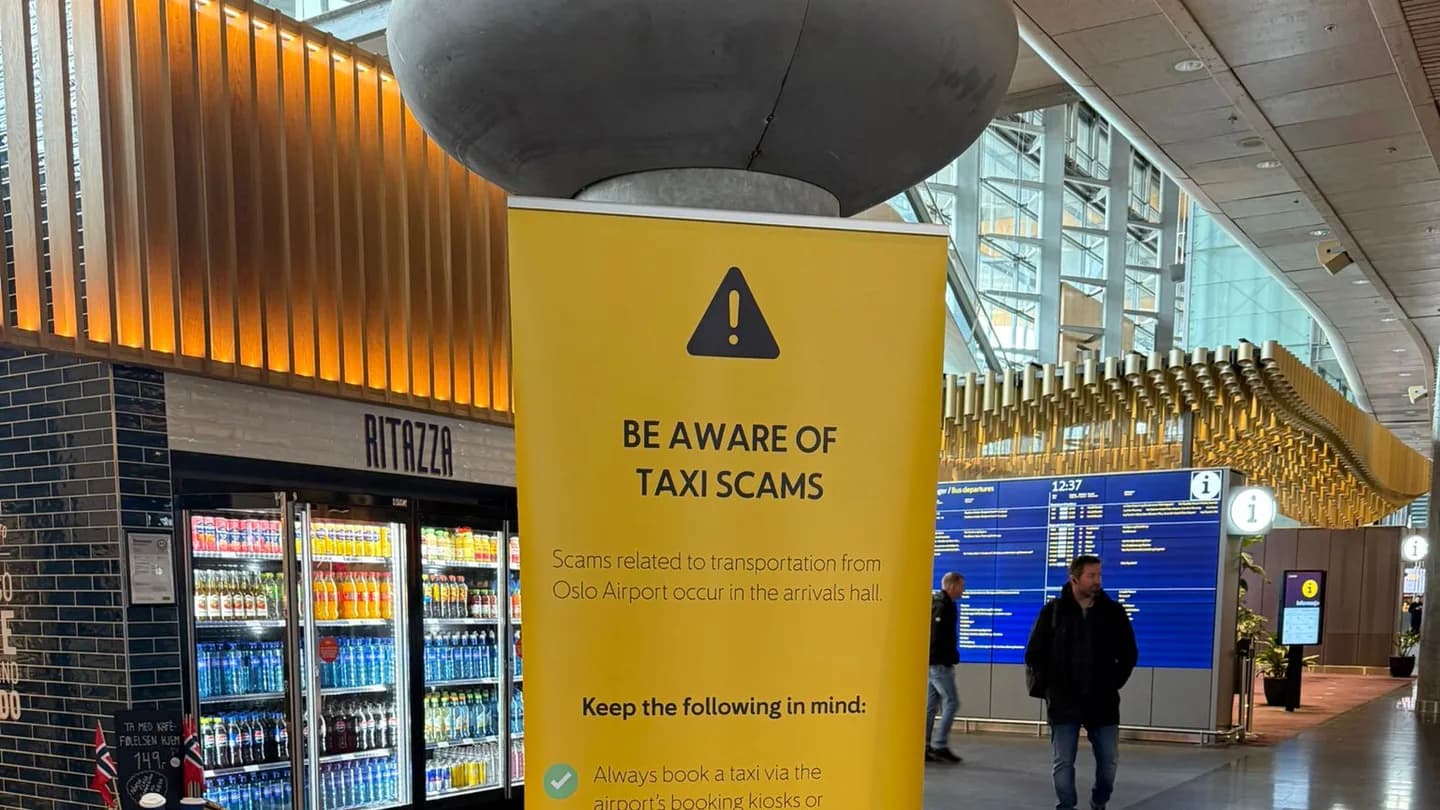
Norway’s taxi debate is about more than apps
Norway illustrates why airport systems, dispatch responsibility, tax reporting, driver fairness and passenger trust all depend on stronger proof of the documented ride event

Lima airport reform turns taxi choice into a trust question
Peru's Lima airport already points travellers toward authorised taxi services and ATU-controlled taxi operations, but official travel advice and airport transition signals show how visitors need a clearer verified handoff before entering a car.

Poland’s driver rules cannot replace a clear trip record
Poland’s Polish-licence rule, app-taxi regulation, safety cases and tourist transport concerns show how stronger entry checks still need neutral evidence of the physical ride

Portugal’s TVDE rules meet the airport handoff
Lisbon airport warnings, traveller scam reports, TVDE regulation and city-level platform controls all point toward the same gap: local transport needs better proof at the moment of pickup

Singapore’s point-to-point market still has a handoff moment
Singapore has one of the world’s most regulated point-to-point transport systems, but Changi Airport, app pickup and illegal cross-border rides show how serious operators still need visible confirmation at the curb.

South Africa’s e-hailing law makes safety a hardware question
South Africa’s new e-hailing rules, panic-button requirement, vehicle branding, driver protests and platform-economics disputes all point toward the same gap: the real-world ride needs better proof
South America’s pickup problem is recognition, not one regional story
Airport controls, ride-hailing reforms and driver pressure all point to the same gap: the physical ride still needs independent evidence.
Spain’s VTC and taxi tension meets the visitor trust moment
Spain’s licensed transport rules, pirate-taxi reports, VTC conflicts and visitor-trust warnings all point toward the same question: who can prove the real-world ride?

Sweden’s taxi trust problem starts before the ride
Sweden has licensed taxis, visible driver IDs and mandatory price information, but free pricing and airport pickup confusion make pre-ride verification especially important.

Thailand’s airport taxi conflict is a pickup accountability problem
Thailand is tightening ride-hailing rules and airport pickup controls, but the deeper issue is proving the physical handoff.

Türkiye’s taxi challenge is a recognition problem
Istanbul already has licensed airport taxis and regulated tariffs, but unlicensed rides and tourist overcharging show how serious operators need clearer proof.

The UK Taxi Debate Is About Who Records the Ride
A mature licensing system still needs clearer proof of the driver, vehicle, pickup and responsibility chain.

Platform safety in the USA still needs independent ride evidence
The United States illustrates why rideshare apps, taxi rules, airport enforcement, insurance systems and safety reports all need a stronger evidence layer around the physical ride
If you see the same problem in your market, we should talk.
SafetyRide is opening selected conversations with operators, associations, hospitality partners, destination partners, market-entry partners and strategic capital partners who understand the long-term value of verified transport trust.