Nigeria’s ride-hailing safety debate starts with data and driver economics
Nigeria illustrates why ride-hailing trust is not only about booking an app ride. It is also about driver income, platform commissions, vehicle condition, data transparency and proof of the physical transport event.
May 11, 2026·6 min read·Nigeria
NIGERIA · NG
REF NIGERIA-DRIVER-SAFETY · 2026-05-11
POPULATION
237.5 million2026 · UN WPP 2024 projection
INT'L ARRIVALS
~1.2 million international arrivalslatest available estimate · UN Tourism / World Bank-style tourism arrival data, verify with Nigeria Tourism Development Authority
DRIVER COUNT
~500,000+ taxi, keke, bus and e-hailing passenger drivers in major citieslatest available
Nigeria’s ride-hailing debate is not just about whether a passenger can open an app and get a car.
It is about whether the whole transport event can be trusted.
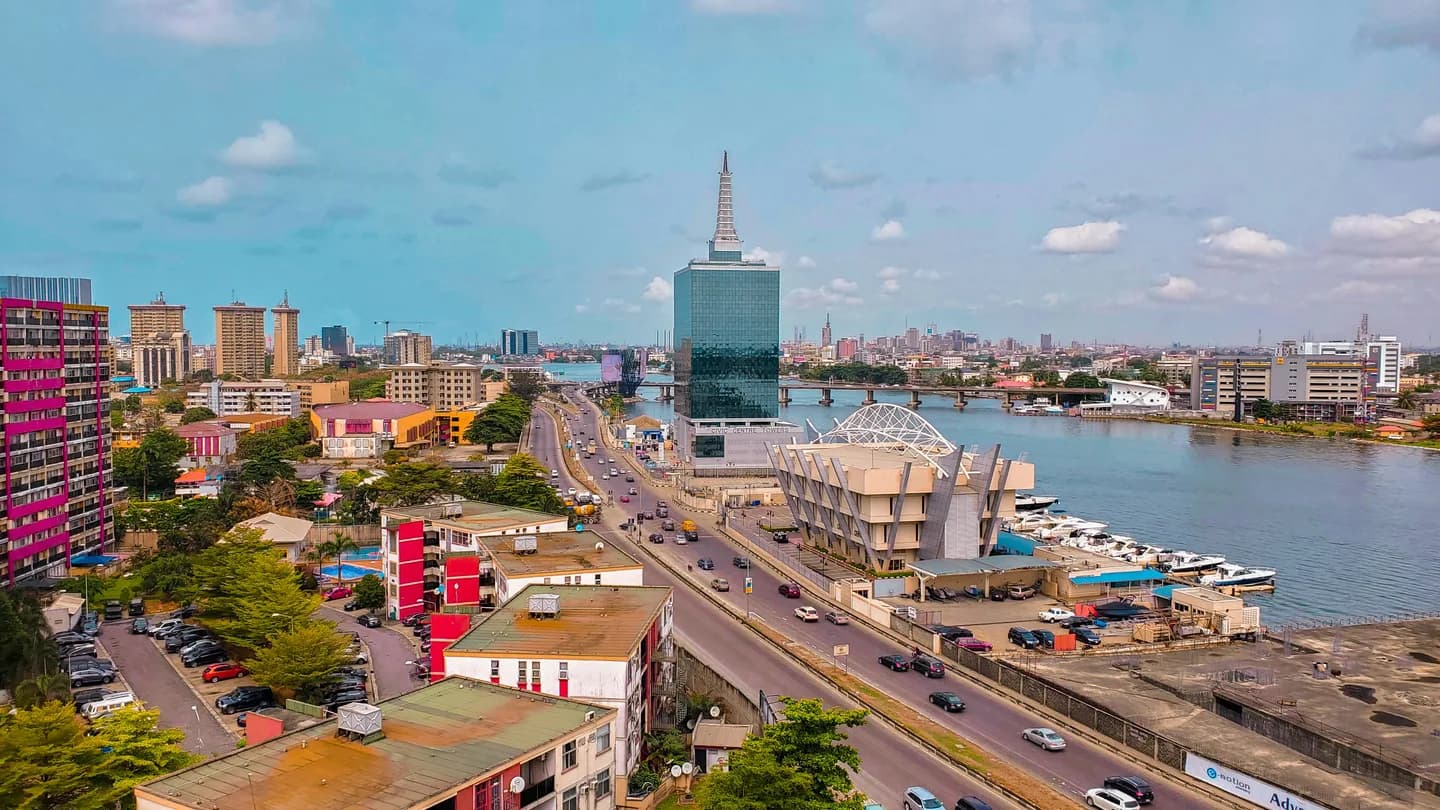
In Lagos, the same market is dealing with passenger safety, vehicle condition, driver certification, platform data, fuel costs, low fares, commissions and driver welfare. That combination matters because the physical ride is both a safety event and an economic event.
A passenger needs to know the car and driver are legitimate. A driver needs to know the trip pays enough to be sustainable. A regulator needs enough data to respond to safety and compliance issues. A platform wants scale. A city needs order.
SafetyRide belongs in that conversation because the documented ride event sits in the middle of all of it.
Lagos Is Asking for More Than App Records
Lagos has already made the evidence question explicit.
In November 2025, renewed calls for ride-hailing platforms such as Bolt and Uber to share standardised transport data with regulators. Punch reported that the state wanted verified driver and vehicle profiles, commuter manifests, trip records, incident logs, maintenance reports and revenue data relevant to compliance. The state commissioner’s representative said reliable data was the backbone of planning, regulation, enforcement and public safety, and that the datasets were “not for surveillance” but for safety assurance, evidence-based decision-making and transparency.
That is exactly the kind of public signal SafetyRide should pay attention to.
The government is not only asking whether a ride can be booked. It is asking whether the system has enough structured information to monitor irregularities, respond to emergencies and understand what is happening in the transport network.
But this also creates a privacy and trust challenge.
If data is collected only by platforms, regulators or fragmented databases, the public must trust that each actor has the right information and uses it correctly. A stronger model is not maximum data extraction. It is a clear, purpose-driven verification layer around the ride.
Vehicle Condition Is Part of Trust
Lagos has also targeted the physical condition of vehicles.
In August 2025, the Lagos State Government ordered comprehensive inspection of vehicles operated by licensed e-hailing platforms, citing safety risks and poor service delivery. The commissioner said the move was aimed at improving safety, service quality and regulatory compliance. The state also raised concerns about inadequate operator databases, noting that this hindered tracking of crimes committed through e-hailing services.
This is important because it brings the debate back to the vehicle.
A ride-hailing profile can show a name, photo, vehicle model and licence plate. But the actual car still has to be roadworthy. The actual driver still has to be certified. The actual trip still has to be connected to the system that claims to organise it.
That is the SafetyRide point: trust is not only digital. It is physical.
Drivers Say the Platform Math Does Not Work
The same market is also under economic pressure.
In March 2026, BusinessDay reported that Uber and Bolt drivers in Lagos began a three-day strike organised by the . Drivers protested low fares, rising fuel prices, vehicle maintenance costs, inflation and platform commissions. The report said some platform commissions remained around 25 percent per trip.
TRT Afrika also reported Nigerian ride-hailing drivers protesting over pricing, saying platforms set fares too low while charging commissions of up to 30 percent.
This is not separate from safety.
If a transport model pushes drivers toward long hours, low margins, offline negotiation or distrust of the platform, the ride becomes harder to govern. If a driver feels the platform controls price and access while the driver carries fuel, repairs, risk and passenger-facing responsibility, the value chain becomes unstable.
That is why SafetyRide should not only talk about passenger protection. It should also talk about driver protection and market fairness.
Offline Rides Are the Trust Leak
Lagos officials have urged residents to avoid offline bookings in order to maintain safety and accountability.
That is a critical phrase.
The offline ride is where many systems lose the evidence trail. A passenger may think they are using the same driver, the same car or the same platform relationship. But if the trip moves outside the official app, the data trail, safety tools, complaint route and accountability chain may weaken or disappear.
That does not automatically make every offline ride unsafe. It means the market loses proof.
The same problem appears when drivers and passengers negotiate outside the platform because app fares are too low. It may solve a price problem in the moment, but it creates a trust problem afterwards.
Was the trip platform-backed? Was the vehicle registered? Was the driver certified? Was the fare visible? Was there a trip record? If something happened, who owns the evidence?
And when the market loses proof, a small minority can damage trust for many. A few unsafe drivers, fake arrangements, off-app trips or exploitative practices can create fear around the whole sector, even though many drivers are simply trying to work honestly under difficult economic conditions.
Documented transport should make it much harder for bad actors to exploit passengers, and much easier for legitimate drivers to prove that they operated the right vehicle, through the right channel, on the right trip. That is market protection as much as passenger protection.
The Driver Is Not Just a Data Point
Nigeria’s ride-hailing debate also illustrates why driver identity and driver economics must be treated together.
A verified driver profile is important. A roadworthy vehicle is important. Incident logs and trip records are important. But drivers are not just operational data points inside a platform.
They are the people carrying the vehicle cost, the fuel risk, the security risk and the human interaction with passengers.
When drivers protest, threaten to log off or consider local alternatives, the market is telling us something: the physical ride is being performed by people who may not feel the value chain is fair.
SafetyRide’s strongest position is not to replace platforms or tell regulators how to price rides. It is to strengthen accountability around the event that creates the value.
If the driver, vehicle, pickup, route, fare context and incident timeline are clearer, it becomes easier for every actor to understand what happened, who was involved and where responsibility sits.
The missing layer is a ride-level record
Nigeria already has ride-hailing platforms, state oversight, driver unions, vehicle inspections, data-sharing demands and safety concerns.
What it still needs is a clearer neutral layer around the physical transport event.
Who was the driver? Which vehicle was used? Was the vehicle registered and roadworthy? Was the driver certified? Did pickup happen through the official channel? Did the trip move offline? What route was taken? What fare context existed? What incident or complaint record is connected to the ride?
These are not only technology questions. They are public trust questions.
Where SafetyRide fits
SafetyRide belongs in Nigeria by connecting safety, data and driver economics to the actual ride. It gives serious drivers and passengers a clearer event record without replacing platforms, regulators or local operators.
Continue
Read more from SafetyRide.
Browse the rest of the articles, or get in touch about anything you read here.