~45.0 million international tourist arrivals2024 · UN Tourism / public tourism ranking data for 2024
DRIVER COUNT
Large, fragmented taxi and app-driver baselatest available
Mexico is not a simple “taxi scam” market. It is a large tourism and airport market where serious operators already exist, where airport authorities publish authorised taxi options, and where travellers are repeatedly told to avoid informal or unlicensed rides.
That distinction matters. SafetyRide should not frame Mexico as a country where transport is generally unsafe. The better and more precise argument is that Mexico illustrates why serious transport channels need to become easier to identify, verify and trust in the exact moment when a traveller leaves an airport, hotel or venue.
AICM's authorised taxi providers and the arrival hall
At Mexico City International Airport, the airport itself lists authorised taxi providers. has also publicly told passengers, for safety reasons, to use only authorised taxis located at the national and international exits of both terminals. The airport FAQ explains where taxi tickets can be purchased inside Terminal 1 and Terminal 2.
That is a serious-operator signal. The market already has approved providers, counters, ticket points and airport-facing transport logic. The problem is not that every traveller needs a new app to replace the existing airport system. The problem is that a busy arrival hall still forces the passenger to make a quick trust decision under pressure.
Travel-security guidance and the serious-operator gap
The same issue appears in travel-security guidance. The UK’s travel advice says unlicensed taxi drivers have robbed and assaulted passengers, including in Mexico City, and advises travellers to use better regulated or authorised pre-paid airport taxi services. U.S. travel guidance similarly pushes government employees toward dispatched vehicles from regulated taxi stands or app-based services, and away from street hails.
This is the key point for SafetyRide: the serious route already exists, but the passenger must still recognise it. They must understand whether the provider is authorised, whether the vehicle belongs to that provider, whether the driver is part of that trip, whether the pickup point is correct, and whether the fare context matches what they agreed to. Visible counters and signs help, but they do not always create a portable trip record the passenger, hotel, airport or operator can use afterwards.
The airport taxi vs ride-hailing dispute at AICM
Mexico City also shows how quickly the trust question becomes a market-order question. Reporting from in 2024 and 2026 describes the long-running conflict around AICM, traditional airport taxis, app-based transport and federal airport access. In one version of the problem, travellers want convenience and choice. In another, airport taxi groups argue that app-based services operate in ways that do not meet the same federal requirements. The result is not just a passenger-experience problem. It becomes a question of fairness, legality and who is allowed to pick up a traveller where.
A verification layer that does not take sides
A verification layer can help precisely because it does not need to take sides in the old taxi-versus-app argument. SafetyRide is not positioned as a dispatch replacement, a fare-setting system or an airport access workaround. It can sit around the authorised route and make the real-world handoff easier to prove.
For an authorised taxi, that means a traveller can verify the provider, vehicle, driver and pickup point before entering the car. For a regulated app-based ride where local rules allow it, the same layer can help prove that the pickup is connected to a legitimate request and a real vehicle. For hotels and destination partners, it means they can guide guests toward transport options that leave a verifiable record rather than just a verbal recommendation.
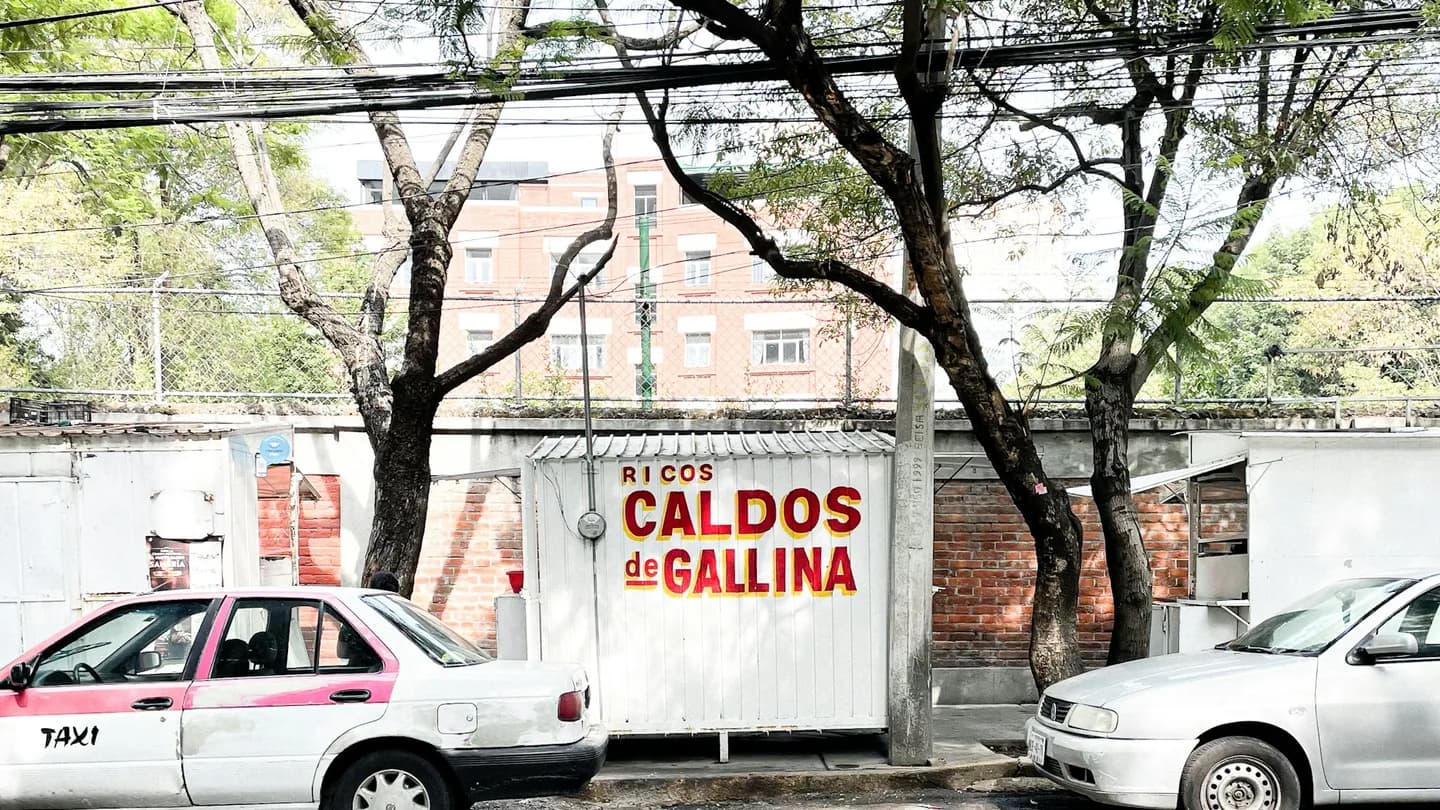
Mexico’s scale makes this especially important. Major airports, resort destinations, intercity transfers and hotel pickups all involve travellers who may not know local taxi colours, licence rules, airport geography or Spanish-language signage. A local resident may understand which taxi counter is legitimate. A tired visitor arriving after a long-haul flight may not.
The reputational effect also matters. A small number of informal or opportunistic actors can damage trust in many legitimate drivers and operators. When a traveller has a bad first transport experience, the harm is not limited to the fare. It affects the airport, the hotel, the destination and the perception of local transport professionals.
That is why the most useful SafetyRide framing for Mexico is positive. The country does not need a story that paints all taxi drivers or all app-based drivers as suspicious. It needs infrastructure that helps the serious actors stand out. Authorised taxis, regulated app services where permitted, hotels, airport operators and tourism partners all benefit when the safe and legitimate option becomes easier to choose.
Mexico’s problem is therefore not only “avoid unlicensed taxis.” It is the deeper question of how a traveller proves they are entering the right vehicle, with the right driver, through the right channel, under the right local rules. That is the space where an independent accountability layer becomes commercially and socially valuable.
Where SafetyRide fits
SafetyRide can help Mexico’s airport mobility environment make the intended choice clearer before the passenger enters. That protects serious operators and gives visitors a stronger record of what happened at the pickup.
Continue
Read more from SafetyRide.
Browse the rest of the articles, or get in touch about anything you read here.