India’s many official ride channels need one clear passenger record
India’s taxis, prepaid counters, app-based cabs and airport pickup zones are becoming more regulated, but the handoff remains fragmented across cities, operators and state rules.
May 11, 2026·7 min read·India
INDIA · IN
REF INDIA-RIDE-CHANNELS · 2026-05-11
POPULATION
1.46 billion2026 · UN WPP 2024 projection
INT'L ARRIVALS
~9.7 million foreign tourist arrivals2024 · India Ministry of Tourism / Bureau of Immigration reporting, verify final annual table
DRIVER COUNT
3-5 million taxi, cab, auto-rickshaw and app-based passenger driverslatest available
India is not one taxi market. That is why it matters.
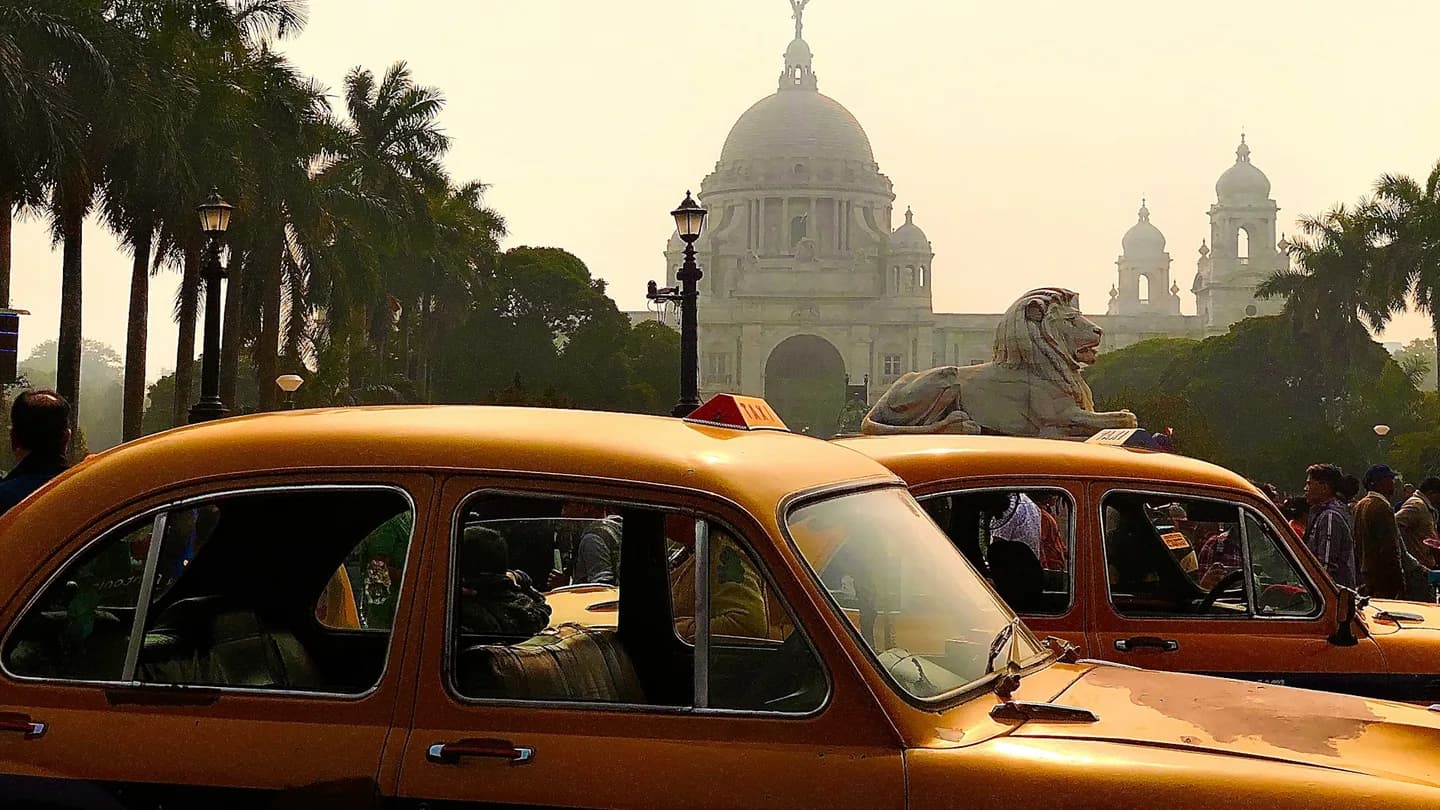
The country contains prepaid taxi counters, black-and-yellow city taxis, app-based cab platforms, airport-authorised operators, private car rentals, autorickshaws, state transport rules, local unions, city-specific airport pickup zones and national aggregator guidelines. In many places, the issue is not that legitimate transport is missing. It is that the passenger has to understand which channel is legitimate in that exact place, at that exact moment.
That makes India a proof problem, not just a taxi problem.
Many official channels, one fragmented handoff
At Mumbai Airport, the official airport transport page lists metered taxis, app-based cabs, fleet taxis, car rentals and defined pickup locations across terminals and parking levels. That is a serious-operator ecosystem. It gives passengers options, but it also creates a practical challenge: the more channels exist, the more important it becomes to know whether this vehicle, this driver, this operator and this pickup zone match the intended ride.
The 2025 Aggregator Guidelines and state-level rules
India’s national policy direction points the same way. In August 2025, the Ministry of Road Transport and Highways told Parliament that the Government had issued to provide a light-touch regulatory system while addressing user safety and security and driver welfare. The government answer also described fare regulation, transparency, accountability and passenger welfare, including dynamic pricing limits and revenue-share provisions for drivers.
That is not a small regulatory update. It shows that India is trying to bring app-based mobility into a more accountable structure, while still recognising market flexibility. The state does not want to eliminate platforms. It wants safer, clearer, more accountable channels.
The same pattern appears at state and city level. Reporting from Mumbai described a dedicated helpline approved by the for commuters using autorickshaws, taxis and app-based cabs. The grievances listed included fare refusal, rude behaviour, excess fare and excess passengers. Other reporting on Maharashtra’s aggregator policy described licensing requirements, cancellation penalties, surge-pricing limits, GPS tracking, emergency contacts and driver background checks.
Those are exactly the signals SafetyRide should care about. The public problem is not only “can I get a ride?” It is “can I trust the ride, the driver, the price logic, the route context and the record if something goes wrong?”
The Kolkata "Prepaid Cab" kiosk and Kerala union friction
Airport handoffs make that problem more visible. Kolkata is a strong example because it is not just a vague scam story from social media. The Times of India reported in 2025 that a private car-rental operator at Kolkata airport, using the name “Prepaid Cab – City & Outstation”, faced eviction after allegedly misleading passengers into believing it was an official prepaid taxi service. The report said the allowed only police-run counters for prepaid taxi services, and that the private kiosk had allegedly caused confusion, overcharging and tout-related issues.
A follow-up report said airport officials ordered the operation to stop, describing it as illegal and citing allegations of touting, overcharging and passenger harassment. That is a precise SafetyRide signal. The issue is not that all airport transport is bad. The issue is that something can look official enough to confuse a passenger before the ride begins.
This is where a neutral handoff evidence layer matters. If the authorised channel is visible, the passenger does not have to rely only on signage, verbal claims or confidence under pressure.
India also shows that serious-operator framing must include both app and non-app actors. In Kerala, The Times of India reported that auto and taxi unions were preventing app-based vehicles from picking up tourists near Kovalam, hotels and the Thiruvananthapuram airport area. The same reporting quoted a tourism-sector voice warning that the situation harms tourist confidence, while union members argued they were protecting livelihoods.
That tension matters. The SafetyRide position should not take a simplistic side. Local taxi and auto drivers may be serious operators with legitimate livelihood concerns. App-based drivers may also be legitimate operators serving passengers who want a verified channel. Hotels and tourists want clarity. Authorities want order. The problem is the absence of a shared evidence layer that all serious actors can trust.
A neutral evidence layer across legitimate channels
For India, SafetyRide’s opportunity is therefore not to present one app as the answer. It is to connect approved channels across a fragmented market. At one airport, that may mean a prepaid taxi counter. At another, it may mean an airport-authorised cab fleet. In a city, it may mean a licensed app-based cab. At a hotel, it may mean a verified handoff to a known operator.
The passenger should be able to see that the ride belongs to a legitimate channel before entering. The driver should be able to show that they are the intended driver, not an opportunistic substitute. The operator should be able to show that the pickup happened correctly. The hotel or airport should be able to hand over the guest with confidence. The regulator should have cleaner evidence when something goes wrong.
India’s scale makes that difficult. It also makes the opportunity much larger. When many legitimate channels coexist, trust cannot depend on one logo, one counter or one app. It needs a neutral layer that can connect the vehicle, driver, operator, pickup point, fare context and trip record.
That is the SafetyRide fit. India does not need a foreign platform telling it how transport should work. It needs a way to make serious Indian transport actors easier to verify across many local systems. In a market this large and varied, proof is not a feature. It is infrastructure.
Where SafetyRide fits
SafetyRide can sit across India’s many official and app-based channels as a ride-context record. It helps passengers, drivers and operators connect the chosen vehicle to the intended trip without replacing local transport structures.
Continue
Read more from SafetyRide.
Browse the rest of the articles, or get in touch about anything you read here.