REF TRAVEL-INSURANCE-TRANSPORT-EVIDENCE-PROBLEM · 2026-05-11
— Perspective
Travel Insurance Has a Transport Evidence Problem
Why local transport claims need better trip context than receipts, memory and platform support logs alone.
May 11, 20266 min readGlobal
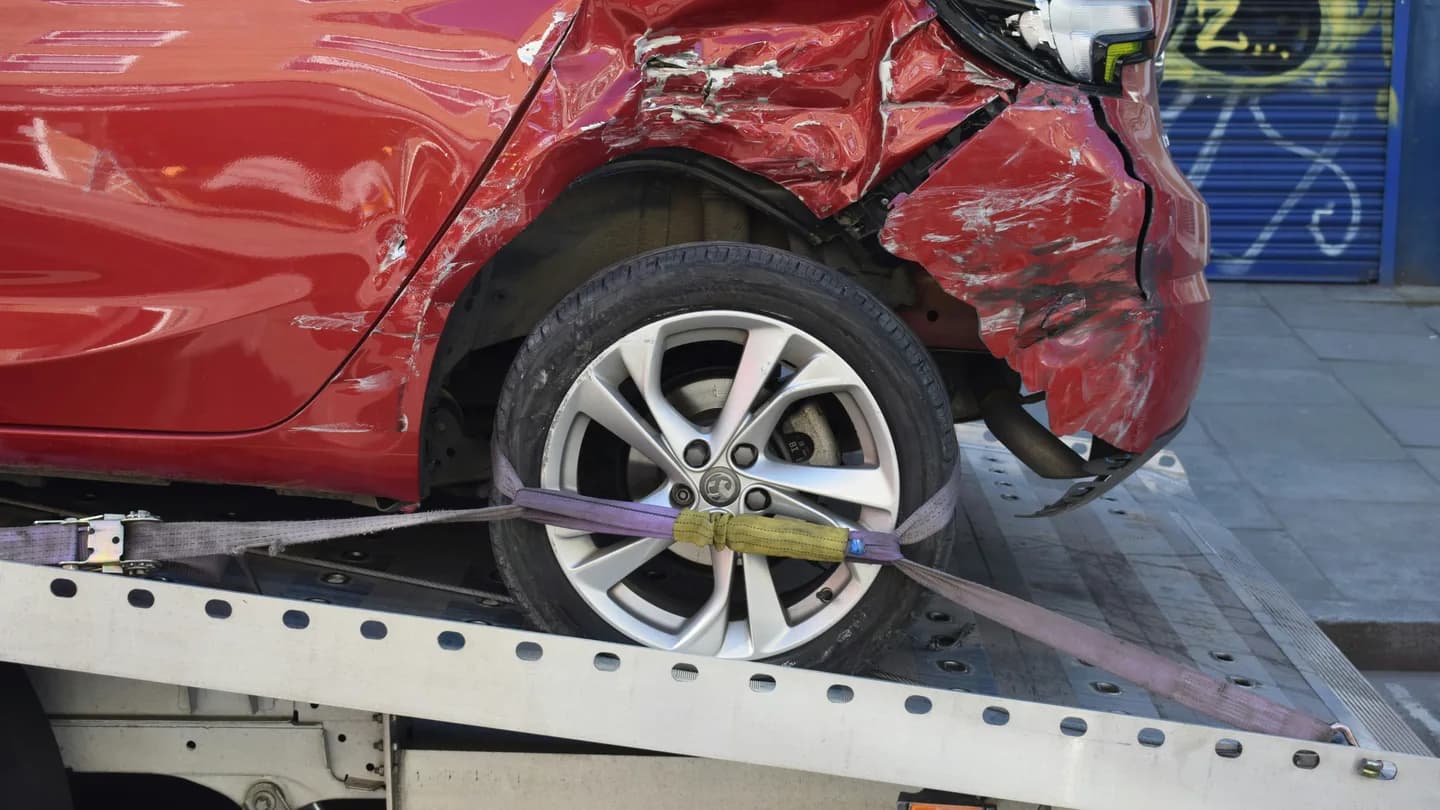
Travel insurance often begins with a simple promise: if something goes wrong, the traveller can make a claim.
The hard part is proving what happened.
Receipts, medical records, police reports, booking confirmations, photographs and can all become important when a claim is assessed. That is manageable when the problem is a cancelled flight, a lost bag or a hotel booking. It becomes harder when the issue happened inside a moving vehicle, in a foreign city, between an airport and a hotel, or through a local transport chain that the traveller cannot easily reconstruct afterwards.
That is the transport evidence problem.
The claim starts after the confusion
A traveller may remember the stress clearly. The insurer needs documentation.
Consumer and insurer guidance usually says the same thing in different ways: a claim needs evidence. Citizens Advice tells travellers to include paperwork that helps the claim, such as receipts or medical certificates. Travel Guard and Chubb list documents such as medical records, receipts, accident reports, police reports and incident reports. Allianz Travel Insurance explains that a claim is not just a story about what happened, but proof of a covered loss.
That is normal insurance discipline.
But local transport incidents are not always normal documentation events.
A passenger may have taken a taxi from an airport queue, paid cash, changed vehicle, used a rideshare app, been moved by a hotel transfer, accepted a local driver recommendation or entered the wrong car outside a venue. The passenger may have a receipt but not the driver identity. A driver may have a trip record but not the passenger’s version. A hotel may know it arranged a transfer but not what happened after pickup. An insurer may receive a claim but not a reliable event timeline.
The claim starts after the confusion. The evidence should have started before it.
Local transport is harder to reconstruct than flights
Flights, hotels and baggage usually leave formal records.
Local transport can be more fragmented.
A traveller can move from airline to airport curbside, from airport curbside to taxi, from taxi to hotel, from hotel to venue and from venue to another ride. Each step may involve a different operator, booking method, payment method, language and local rule set.
That does not mean anything improper happened. It means the evidence chain is weak.
An insurer may need to understand whether the traveller used an official taxi, a booked transfer, an app ride, an informal driver, a hotel-arranged vehicle or a local licensed operator. The traveller may not know the difference. The operator may not have a neutral record. The platform may hold useful data, but that data may be incomplete, inaccessible or limited to the app-controlled part of the journey.
This is where SafetyRide fits.
It does not replace the insurer. It does not decide whether a claim is valid. It does not replace police reports, medical records or claim handlers.
It can give the transport event a clearer record.
The missing layer is verified trip context
Insurance claims often fail or slow down because the event is difficult to prove.
For local transport, the missing layer is .
Who was the driver?
Which vehicle was used?
Was the pickup verified?
What route was taken?
Was the journey connected to an airport system, taxi centre, hotel transfer, app trip or local operator?
What happened before, during and after the incident?
Those questions matter to more than the traveller. They can matter to the driver, the operator, the hotel, the airport, the insurer and any authority reviewing the event.
SafetyRide’s Hardware Evidence Chain is relevant because it can connect the physical ride to a structured evidence package. Evidence Integrity is relevant because the package can be protected against silent modification. Evidence on the Rider’s Device is relevant because evidence should not exist only inside a platform database that the user must later beg to access.
App records help, but they are not the whole answer
Rideshare apps create useful records.
They may show driver, vehicle, route, fare and timestamp. In many cases, that is enough.
But app data is still platform-held data, and not all local transport happens inside a major platform. A trip may be cancelled, continued outside the app, paid in cash, arranged by a hotel, taken from an airport rank or performed by a local operator that does not have structured digital evidence.
Insurance organisations also recognise that commercial ride-sharing can create coverage and claims complexity. The has published guidance on commercial ride-sharing, and the Insurance Information Institute explains how transportation network company coverage differs from traditional taxi and livery arrangements.
The transport evidence problem is therefore not only a consumer problem. It is also an insurance workflow problem.
Why insurers may care
A better evidence layer can support faster triage.
It can help an insurer understand whether the event was connected to a verified trip, a licensed operator, a hotel transfer, an app ride, an airport pickup or an unclear local arrangement. It can help separate a transport claim from a general travel complaint. It can help determine whether further documentation is needed from police, medical providers, operators or platforms.
It can also support premium response models.
If an insurer, assistance company or response partner offers enhanced emergency support, SafetyRide can provide the verified trip context that makes the service more practical: location, route history, event timing, verified trip identity, distress triggers and a tamper-proof evidence trail. That does not guarantee air ambulance, claim approval or faster payout. It gives the response and claim process better information to work with.
Drivers and operators need protection too
Travel insurance is often discussed from the traveller’s perspective. That is understandable, but too narrow.
Transport claims and incident reports can also affect drivers and operators.
A driver may face a complaint, insurance question, police inquiry, platform review or customer dispute. A small operator may need to show what vehicle was sent, where pickup happened and whether the driver followed the agreed route. A hotel may need to understand whether a guest used the recommended transfer or accepted an unauthorised ride. A taxi centre may need to separate legitimate drivers from rogue operators damaging the market.
Evidence should not only protect the person making the claim. It should protect the people who may be accused, blamed or commercially affected by the claim.
That is why the best transport evidence layer is neutral.
The deeper point
Travel insurance already asks for documentation.
SafetyRide’s opportunity is to make sure local transport can produce better documentation before the claim exists.
That is not a claims portal. It is not an insurer. It is not a promise that every dispute becomes simple.
It is a clearer evidence layer around one of the hardest parts of the visitor journey to reconstruct after the fact: the ride itself.
Where SafetyRide fits
SafetyRide does not decide claims. Its value for travel insurance is cleaner trip context: who entered which vehicle, where, when, under what ride conditions and with what event record available for authorised review.
Continue
Read more from SafetyRide.
Browse the rest of the articles, or get in touch about anything you read here.